Travel Tips: How to Organize Your Luggage Bags for Optimal Efficiency
Effective baggage arrangement can significantly improve the journey satisfaction. By utilizing planned packing techniques, voyagers can optimize space and minimize stress. Important strategies, such as using packing cubes and focusing on necessities, simplify the process. Understanding how to properly organize clothing and necessities can transform chaotic trips into organized travels. Yet, many overlook critical elements of packing that can elevate their efficiency. Discover the essential strategies that can revolutionize how one approaches travel logistics.
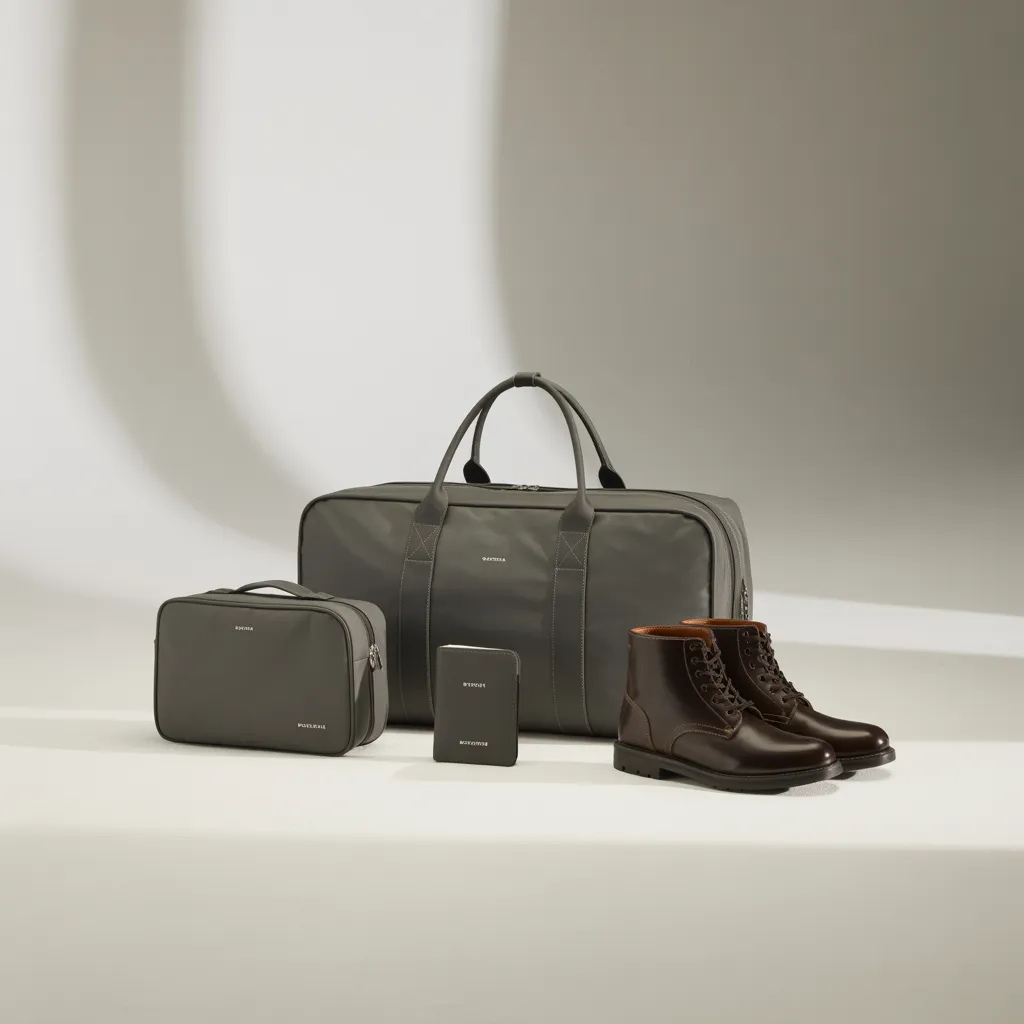
Why Efficient Packing Matters
Effective packing revolutionizes the travel journey, guaranteeing that necessities are easily available and well-organized. A properly packed suitcase reduces stress and conserves time, enabling travelers to focus on their trip rather than searching for items. When baggage is organized, it becomes easier to find necessities, reducing the likelihood of overlooking important items. This organization fosters a feeling of control, improving overall travel enjoyment.
Also, effective packing results in better use of space, helping travelers to fit additional items into their bags without exceeding weight limits. This efficiency also promotes thoughtful packing, causing individuals to consider what truly matters for their trip. Ultimately, efficient packing not only simplifies the travel process but also results in a more stress-free and pleasant experience. By emphasizing organization, travelers can handle their adventures with confidence, knowing they have everything they need at their fingertips.
Leading Packing Strategies for Efficiency
Maximizing travel packing skill can greatly enhance the travel experience. Travelers can begin by wrapping clothes instead of folding them, which conserves space and cuts down wrinkles. Utilizing every inch of luggage available is vital; stuffing shoes with smaller items like socks can optimize space. In addition, placing heavier items at the bottom of the bag helps maintain the load, making it more manageable to carry.
A packing outline is indispensable for confirming that important necessities are not discarded, while also controlling excess baggage. Stressing versatile pieces that can be worn in multiple ways further amplifies practicality. For toiletry products, wayfarers should reflect upon downsized containers or solid versions to maximize room and copyright flight restrictions.
Finally, keeping commonly needed items, such as chargers or copyright, easily accessible in outer pockets can simplify the travel process. By applying these approaches, travelers can experience a easier, more organized journey.
Steps on How to Implement Packing Cubes and Organizers
Packing cubes and organizers offer travelers a practical method for streamlined luggage management. They help compartmentalize clothing and accessories, making it easier to discover items without digging through the complete suitcase. By utilizing these tools, travelers can maximize space and maintain order during their journeys.
The Value Of Packing Cubes
Implementing packing cubes can transform the way adventurers organize their luggage, offering both efficiency and ease. These compact compartments help content divide items, making it easy to discover necessities without searching through bags. By categorizing belongings—such as clothing, toiletries, and electronics—travelers can maximize space and minimize chaos. Packing cubes also facilitate better compacting, allowing for more efficient use of luggage space. Additionally, they safeguard clothes from creases and potential spills, maintaining the integrity of packed items. Portable and flexible, packing cubes come in various sizes and colors, enhancing not only organization but also personal style. Ultimately, integrating packing cubes into vacation habits streamlines packing or unpacking, leading to a more enjoyable travel experience.
Managing Your Wardrobe Efficiently
Travelers should also think about employing organizers for shoes and accessories to keep everything tidy and convenient. Color-coding cubes can help in swiftly spotting contents, while labeling can further streamline the packing process. This method not only saves time during packing and unpacking but also facilitates maintaining organization throughout the trip, ensuring a worry-free travel experience.
How to Organize Important Items for Easy Access
How can a person ensure that essential items are readily accessible during a trip? The solution depends on thoughtful organization. First, assign a specific container or compartment for essentials such as toiletries, chargers, and medications. This should be easily reachable without unpacking the entire suitcase. Next, use organizational pouches or pouches to organize items, allowing for quick identification and retrieval.
Try stowing frequently used items, like a travel pillow or snacks, at the top of the bag. Additionally, a small backpack or tote can be used as a day bag, keeping necessities close at hand during excursions.
Identifying storage bags with markers can boost access, ensuring that one can quickly find what is needed. To finalize, packing to correspond with the travel itinerary facilitates a smoother experience, curtailing the need to dig through luggage in quest for essentials.
Where should you store your essential documents?
When organizing luggage, the placement of important paperwork is vital for convenient access. Utilizing moisture-resistant bags can shield these items from deterioration while ensuring they are easily accessible during travel. Appropriate organization not only improves convenience but also protects critical information.
Make Files Readily Accessible
While initiating a travel, securing convenient access to key documents can reduce stress and simplify the travel experience. Travelers should organize necessary items such as passports, boarding passes, and itineraries in a dedicated, accessible pocket of their luggage. Making use of a travel wallet or a zippered pouch can keep these documents organized and stop them from getting misplaced. It is recommended to place this wallet in a carry-on bag or a personal item, ensuring that it is kept within arm's reach during transit. Additionally, storing digital copies on a smartphone or in cloud storage offers a backup in case of loss. By highlighting document accessibility, travelers can pay attention to enjoying their journey rather than scrambling to find necessary paperwork.
Utilize Waterproof Pouches
Besides maintaining document accessibility, using waterproof pouches can significantly improve the safeguarding of important travel papers. These pouches safeguard against unexpected spills, rain, or humidity that could damage essential items like passports, tickets, and itineraries. They are particularly useful for travelers engaging in outdoor activities or traveling to destinations with unpredictable weather.
For optimal arrangement, it is recommended to keep documents in assigned pouches within a hand luggage or travel bag, making retrieval easy during security checks or boarding. Labeling each pouch can additionally simplify the procedure, ensuring that important papers are rapidly identifiable. By putting money in water-resistant pouches, passengers can emphasize both the accessibility and safety of their essential papers, thereby reducing anxiety during their trips.
Optimize Your Packing Method for Future Trips
Refining a packing strategy can transform the travel journey, making it more organized and satisfying. Travelers are inspired to appraise their past travels, spotting which pieces were indispensable and which were unnecessary. This contemplation helps in putting together a streamlined packing list tailored to specific destinations and activities.
Implementing packing cubes can improve organization, allowing for sorting of garments and items. Moreover, developing a master packing list acts as a valuable reference for future trips, ensuring nothing is missed. Prioritizing adaptable garments that can be combined in various ways minimizes bulk while increasing outfit options.
Moreover, taking into account the climate and local customs of the destination can better enhance choices. By adopting a minimalist mindset and prioritizing quality instead of quantity, travelers can create a more efficient packing strategy that not only reduces luggage size but also enhances the overall travel experience.
Frequently Asked Questions
How Do I Select the Right Luggage Size for My Journey?
Your luggage size ought to reflect trip duration, your travel destination, and individual preferences. For short-term travels, favor carry-ons; prolonged trips may require larger bags. Give thought to packing essentials, containing outfits and toiletry items, for peak efficiency.
Am I allowed to transport food or light refreshments in my suitcase?
Yes, provisions and treats can be included in luggage, but regulations vary by location. It's essential to examine exact copyright and country restrictions to confirm conformity with customs and security guidelines before packing.
Which Are the Finest Luggage Materials for Longevity?
Sturdy luggage is commonly produced from materials like ballistic nylon, polycarbonate, and high-denier polyester. These materials offer strength against wear and tear, maintaining consistent performance and protecting contents during various travel conditions.
What Approaches Can I Employ to Bypass Excess Weight Luggage Fees?
To sidestep excess baggage charges, travelers should weigh their bags before going to the airport, use lightweight luggage, pack essentials only, and consider wearing bulkier clothes during travel for ideal weight management.
What travel applications are designed to help you pack?
Countless travel applications help with packing, such as PackPoint, which creates customized packing lists based on destination and activities, and Travel List, enabling users to efficiently organize items and make sure nothing is forgotten.